About Our Core Technology
Metallurgical‑bonded ceramic‑metal composites for extreme wear conditions
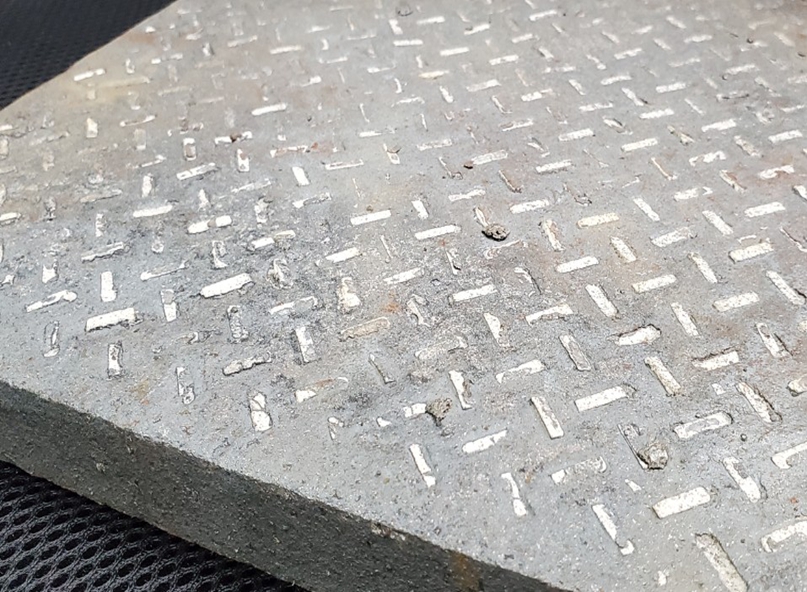
① Nano Ceramic Fusion Technology
Ceramics are hard but brittle; metals are tough yet wear quickly. Traditional composite solutions cannot balance these properties. Roncer® NCA Nano Ceramic Fusion patented technology uses ceramic for wear‑resistance and alloy substrate for impact buffering, boosting ceramic fraction to 70%. It supports multi‑material and multi‑shape customization and direct replacement of existing components. With hardness ≥HRA88 and service‑life improved by 3‑5 times, it serves wear‑intensive conditions for mining, sand‑making, power and building‑material sectors.
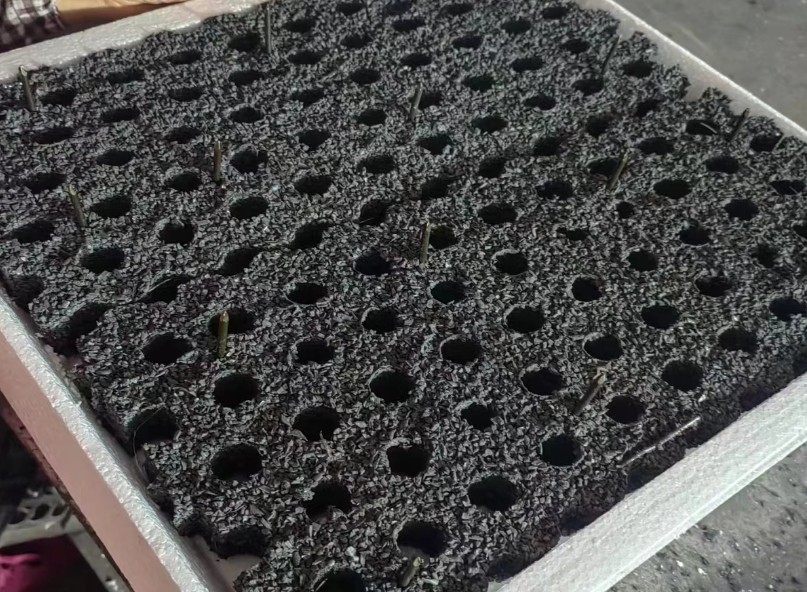
② Secondary Composite Casting Technology
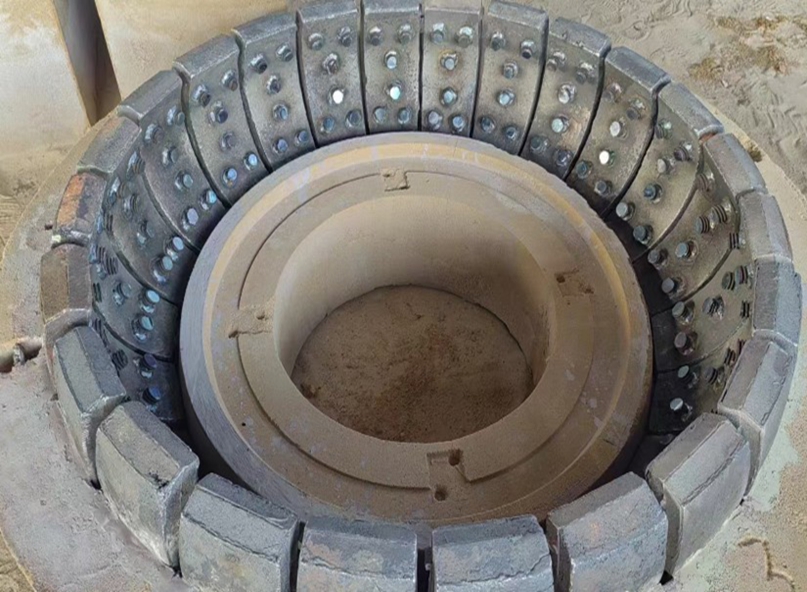
Conventional single-step composites cannot meet the demands of large heavy-duty parts like grinding rollers. SCC Secondary Composite Casting Technology bonds pre-fabricated Roncer alloy blocks onto the working face via secondary casting — metallurgical + mechanical double composite with 70%–90% ceramic coverage, resisting metal-debris impact and eliminating delamination. A bimetallic monolithic structure, it is the high-performance upgrade for large grinding rollers and liner plates.
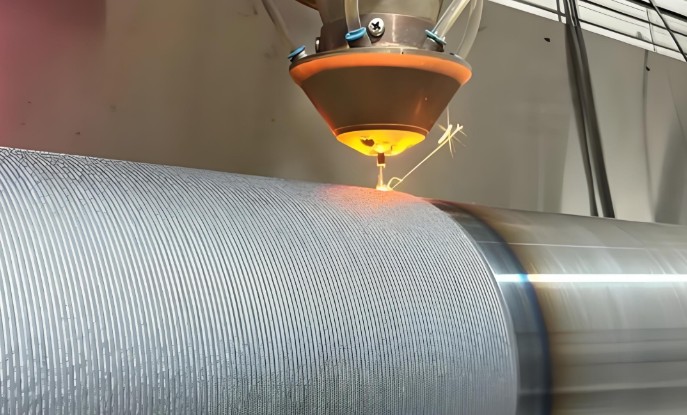
③ Cladding Forming Technology
Traditional adhesive‑bonded ceramic wear‑resistant parts suffer poor temperature resistance, while monolithic ceramics are brittle and prone to fracture. Roncer® CF Cladding Forming Technology adopts ceramic metallization pre‑treatment plus 1350℃ high‑temperature fusion cladding to achieve metallurgical‑grade bonding between ceramic and metal. Temperature control and tooling optimization resolve ceramic cracking and displacement issues. Adhesive‑free, it withstands temperatures up to 800℃ and delivers improved toughness. Custom ceramic options are available. It applies to liners for chutes, hoppers and pipelines under mild‑impact wear conditions to greatly cut operating and maintenance costs. Not suitable for heavy‑impact working conditions.